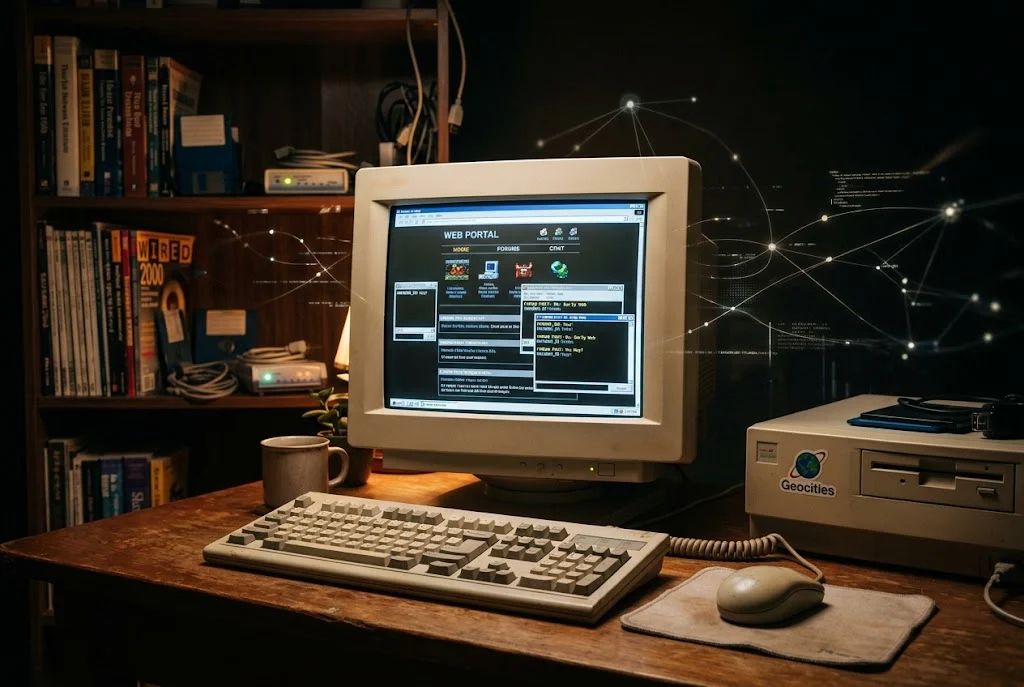
The way people communicate online has changed dramatically over the past two decades. Early chat rooms and discussion forums gave way to social networks, messaging applications, video calls, and highly personalized digital platforms. Today, however, another change is becoming increasingly visible: people are showing renewed interest in spontaneous online interaction.
Random video chat is part of this broader shift. Instead of choosing exactly what content to consume or which carefully curated profile to follow, users can enter a live conversation and discover who they will meet next.
The experience is different from traditional social media. There may be less preparation, fewer expectations, and considerably more uncertainty. That unpredictability is precisely what makes the format appealing to many users.
Why Spontaneous Online Communication Appeals to People
Most modern digital platforms are designed around predictability.
Algorithms learn what people like and then present more of the same material. Social networks organize conversations around existing relationships, while recommendation systems continuously personalize the content displayed on screen.
These systems are convenient, but they can also reduce the element of surprise.
Spontaneous communication works differently. A person can start a conversation without knowing exactly how it will develop. The other participant may have a different background, language, hobby, or perspective.
That uncertainty creates an experience closer to a real-world encounter.
A conversation may last only a few minutes, or it may develop into a longer and more interesting exchange. The important part is that neither participant necessarily knows what will happen before the interaction begins.
The Connection With Early Internet Culture
The renewed interest in spontaneous communication has similarities with the culture of the early web.
During the late 1990s and early 2000s, internet users often discovered people and communities without the sophisticated recommendation systems that dominate today’s platforms. Chat rooms, forums, and independent websites created opportunities for unexpected interactions.
The modern version uses significantly better technology, but the underlying appeal can be similar.
People enjoy discovering something they did not deliberately search for.
This helps explain the growing interest in early internet nostalgia and why some characteristics of the old web are being reconsidered in modern digital experiences.
How Random Video Chat Differs From Social Media
Traditional social media usually begins with a network of known or selected connections.
Users follow accounts, accept requests, join groups, or interact with people recommended by an algorithm. Over time, the platform learns more about their preferences and reinforces existing patterns.
Random video chat introduces a different model.
The central experience is the encounter itself rather than the construction of a public profile. Instead of spending significant time preparing posts or maintaining an audience, users can enter a live interaction immediately.
This can make the experience feel less formal.
There is no requirement to produce carefully edited content before participating. Communication happens in real time, which means facial expressions, tone of voice, pauses, humor, and spontaneous reactions can all become part of the interaction.
Real-Time Communication Feels More Human
Text remains one of the most important forms of online communication, but live video introduces additional dimensions.
Facial expressions can provide context that written messages cannot always convey. Tone of voice can change the meaning of a sentence, while immediate reactions can make conversations feel more natural.
These characteristics make video communication particularly interesting for people who want a stronger sense of human presence online.
Of course, video chat is not automatically more meaningful than text. The quality of an interaction depends largely on the people involved and the environment in which the conversation takes place.
However, real-time communication provides opportunities for a type of interaction that asynchronous platforms cannot completely reproduce.
The Role of Unpredictability
One of the defining characteristics of random video chat is uncertainty.
A user does not necessarily know who will appear next. That can create curiosity and encourage people to approach each conversation with an open mind.
This is very different from scrolling through a feed where most content has already been selected according to previous behavior.
Unpredictability can make digital experiences more memorable.
People may encounter someone from another country, hear a different language, learn about an unfamiliar culture, or simply have an unexpected conversation that makes them laugh.
Not every interaction will be remarkable, but the possibility of something unexpected is part of the attraction.
Why Authenticity Matters Online
As digital identities have become increasingly polished, authenticity has become an important subject in online communication.
Social platforms often encourage users to select their best photographs, present specific interests, and publish content for an audience. Over time, online identity can become carefully managed.
Live conversations create a different environment.
A person cannot completely script every facial expression, pause, or reaction during a real-time conversation. The interaction therefore has a degree of immediacy that carefully prepared content does not always provide.
This is one reason authentic web communication is becoming an increasingly relevant idea in the evolution of online interaction.
The goal is not to reject modern technology. Instead, it is to use technology in ways that leave enough space for genuine human interaction.
Technology Has Made Random Interaction More Practical
Early internet chat systems were limited by slow connections, basic hardware, and text-based interfaces.
Modern infrastructure has removed many of those limitations.
High-speed internet allows video to be transmitted with considerably less delay. Smartphones have cameras and microphones built into everyday devices, while browsers can support sophisticated real-time communication without requiring complicated installations.
These improvements have made spontaneous video interaction much more accessible.
The basic concept may resemble older forms of random communication, but the technical experience is significantly more advanced.
Better connectivity, improved interfaces, moderation systems, and browser-based services can make the experience smoother than it was during the early days of online chat.
The Importance of Safe and Respectful Interaction
Spontaneous communication also requires responsible platform design.
Because users may interact with people they have never met, safety and moderation are important parts of the experience. Platforms need mechanisms for reporting inappropriate behavior, protecting users, and maintaining acceptable standards of interaction.
Users also have responsibilities.
They should avoid sharing sensitive personal information with strangers, respect other participants, and leave conversations that become uncomfortable or inappropriate.
A positive environment depends on both technology and user behavior.
When these elements work together, spontaneous online interaction can provide an enjoyable way to meet new people and experience different perspectives.
Random Video Chat as a Modern Digital Experience
The popularity of random video chat demonstrates that digital communication does not always need to become more complicated.
Sometimes users want an experience that is immediate and straightforward.
Instead of spending time creating content, collecting followers, or managing a profile, they can simply start a conversation.
This simplicity may become increasingly relevant as people experience digital fatigue. After years of algorithm-driven feeds and constant notifications, a short, direct interaction can feel refreshing.
The appeal is ultimately not about the technology itself.
It is about what the technology makes possible: an unexpected human encounter.
What the Future Could Look Like
Online communication will continue to evolve as connectivity improves and new technologies become available.
Artificial intelligence, immersive interfaces, translation tools, and improved video technology could make cross-cultural communication even easier. People may eventually be able to communicate across language barriers with fewer obstacles.
Yet technological sophistication does not eliminate the value of simple interaction.
The future may combine advanced infrastructure with experiences designed around spontaneity and human connection.
Rather than replacing older communication models entirely, new platforms may borrow useful characteristics from different periods of internet history.
That could create digital spaces that are technically advanced while still feeling personal and unpredictable.
Conclusion
The renewed interest in random video chat reflects a broader desire for spontaneous online communication.
People have access to more sophisticated digital platforms than ever before, but sophistication is not always the same as meaningful interaction. Sometimes users simply want the opportunity to meet someone unexpected and have a genuine conversation.
Random video chat offers one way to create that experience.
Its appeal connects modern technology with ideas that were already present in early internet culture: curiosity, discovery, spontaneity, and direct interaction.
As the web continues to evolve, these qualities may become even more important. The future of online communication may not be about making every interaction more predictable, but about creating better opportunities for people to discover one another naturally.