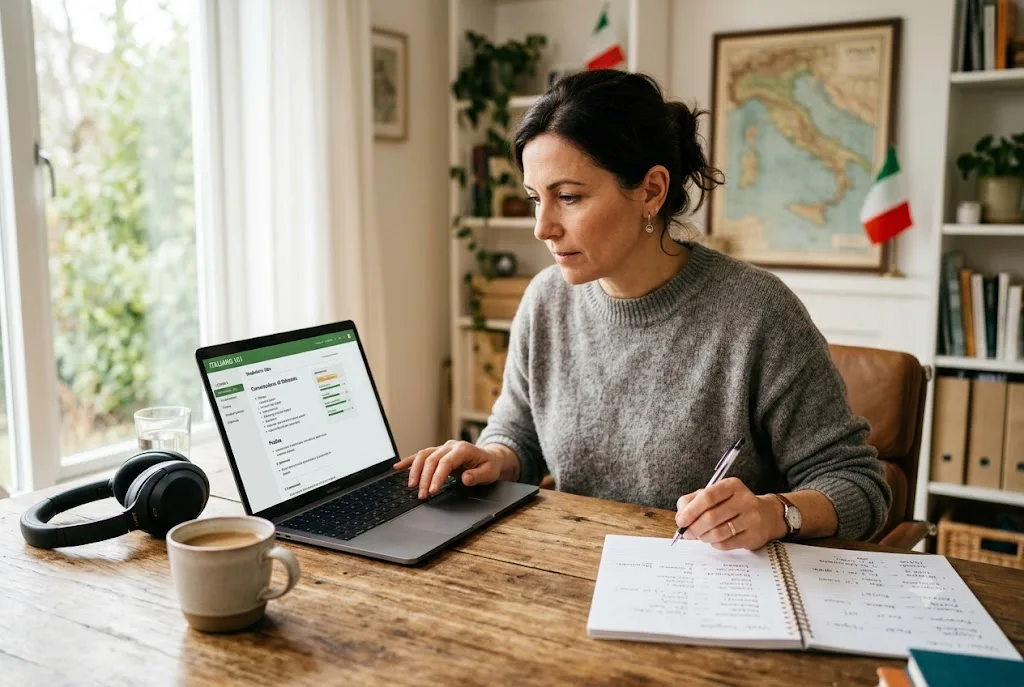
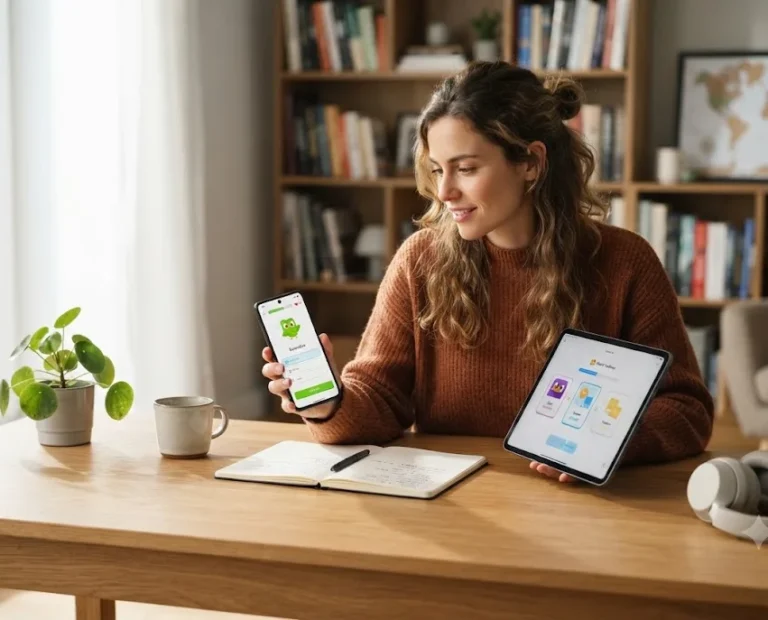
Finding the best software to learn Italian can dramatically improve your progress, whether you’re studying for travel, work, family connections, or personal enrichment. Modern Italian language software combines structured lessons, pronunciation practice, AI-powered feedback, vocabulary review, and interactive exercises that make learning more engaging than traditional textbooks.
In this guide, we’ll compare the leading digital platforms, explain which learners each one suits best, and help you choose the right digital Italian learning solution for your goals.
Why Choose Software Instead of Traditional Learning?
Language learning software provides flexibility that classroom instruction often cannot. You can study at your own pace, revisit difficult lessons, and practice speaking whenever your schedule allows.
Most modern platforms include:
- Interactive vocabulary lessons
- Grammar explanations
- Native-speaker audio
- Speech recognition
- Progress tracking
- Mobile and desktop access
- Gamified learning features
These tools make it easier to stay consistent, which is one of the biggest factors in language success.
Best Software to Learn Italian in 2026
1. Babbel
Babbel remains one of the strongest choices for learners who want practical conversations from day one. Lessons are professionally designed and gradually build vocabulary alongside grammar.
Best for: Adult learners seeking structured lessons.
Highlights:
- Conversation-focused curriculum
- Grammar explanations
- Speech recognition
- Offline lessons
2. Rosetta Stone
Rosetta Stone uses immersive teaching methods that encourage learners to think directly in Italian instead of translating every sentence.
This approach develops listening comprehension naturally while strengthening pronunciation.
Best for: Long-term immersion learners.
3. Duolingo
Duolingo remains popular because it offers free lessons with an engaging, game-like experience.
While it shouldn’t be your only learning resource, it works well for daily vocabulary practice.
Best for: Beginners building consistency.
4. Busuu
Busuu combines structured lessons with community feedback from native speakers, allowing learners to receive corrections on writing and speaking exercises.
Best for: Learners wanting community interaction.
5. Mondly
Mondly focuses heavily on conversational practice and integrates speech recognition throughout the learning process.
Its visual interface makes lessons easy to navigate.
How to Choose the Best Software to Learn Italian
The ideal software depends on your personal learning style.
Choose Structured Lessons If You Prefer:
- Clear progression
- Grammar explanations
- Regular quizzes
- Organized curriculum
Babbel and Busuu perform particularly well in this category.
Choose Immersive Learning If You Prefer:
- Natural language exposure
- Listening practice
- Pronunciation development
- Learning through context
Rosetta Stone is one of the best-known options for immersive learning.
Choose Gamified Learning If You Need Motivation
If staying consistent is your biggest challenge, apps with points, streaks, and rewards may help you study every day.
Duolingo and Mondly are excellent examples.
Features That Matter Most in Italian Language Software
Before subscribing to any platform, compare these important features.
Speech Recognition
Pronunciation is essential in Italian. Software that analyzes your spoken responses can help you sound more natural over time.
Grammar Support
Italian grammar includes verb conjugations, gender agreement, and sentence structure that benefit from clear explanations.
Vocabulary Review
Spaced repetition systems help learners remember words much longer than traditional memorization techniques.
Offline Access
If you travel frequently or have limited internet access, downloadable lessons can be extremely useful.
Digital Italian Learning vs Classroom Courses
Many learners combine both methods for the best results.
Software offers flexibility, affordability, and unlimited review opportunities, while classroom environments provide live interaction and immediate feedback.
For most beginners, quality digital Italian learning software provides enough structure to build a solid foundation before investing in private tutoring.
Can AI Improve Italian Learning?
Artificial intelligence is changing how people study languages. AI-powered conversation tools can simulate real dialogues, explain grammar instantly, and adapt lessons based on your progress.
If you’re interested in conversational practice powered by modern technology, you may also enjoy our guide on AI language tutors, which explores how artificial intelligence is reshaping language education.
Should You Use Multiple Learning Tools?
Yes. Most successful learners combine different resources.
For example:
- Babbel for structured lessons
- Duolingo for daily practice
- YouTube for listening
- Italian podcasts for immersion
- AI conversation practice
This combination develops reading, writing, speaking, and listening together.
Learning More Than One Language?
If you’re planning to study additional languages after Italian, comparing software across different languages can help you choose platforms that fit your learning style. Our upcoming guides on the best Spanish language software and French language learning software will help you evaluate similar tools for other popular languages.
Tips for Getting Better Results
- Study 15–30 minutes every day.
- Practice speaking aloud.
- Review vocabulary regularly.
- Watch Italian videos with subtitles.
- Read beginner-friendly Italian articles.
- Use software consistently instead of studying for long sessions occasionally.
Final Thoughts
The best software to learn Italian ultimately depends on your goals, learning preferences, and available study time. Babbel is an excellent all-around option for structured learning, Rosetta Stone excels at immersion, Busuu adds valuable community interaction, Mondly emphasizes conversational practice, and Duolingo offers an accessible free starting point.
Whichever platform you choose, consistency matters far more than perfection. Pair quality Italian language software with daily practice, real listening opportunities, and speaking exercises to steadily build confidence and fluency.
For additional guidance on language-learning technology, explore resources from the American Council on the Teaching of Foreign Languages (ACTFL), which offers research and best practices for effective language education.