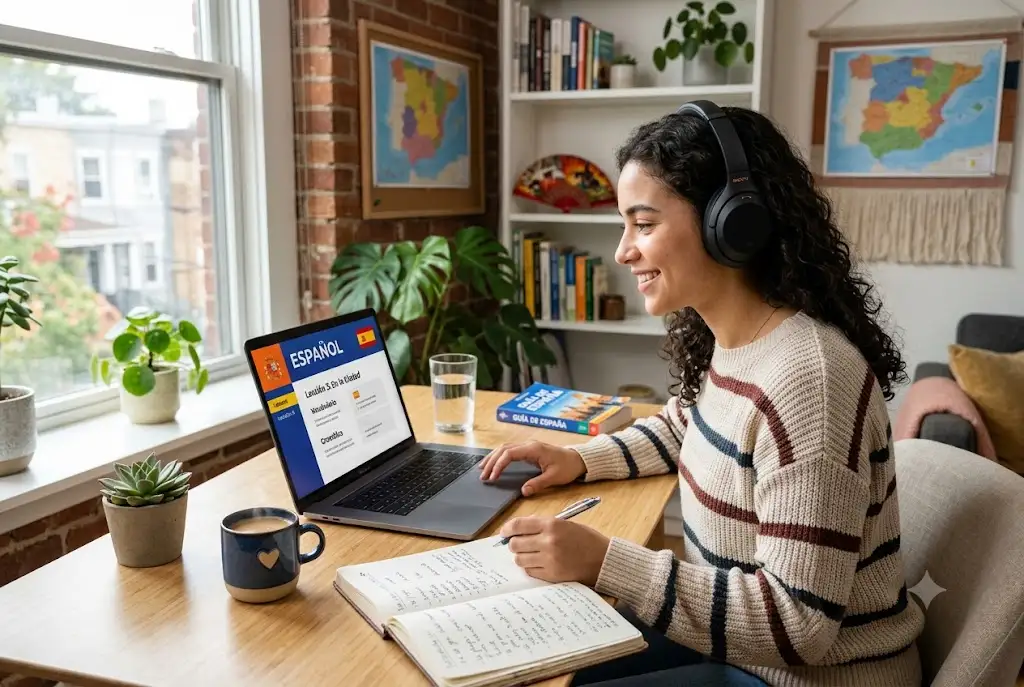
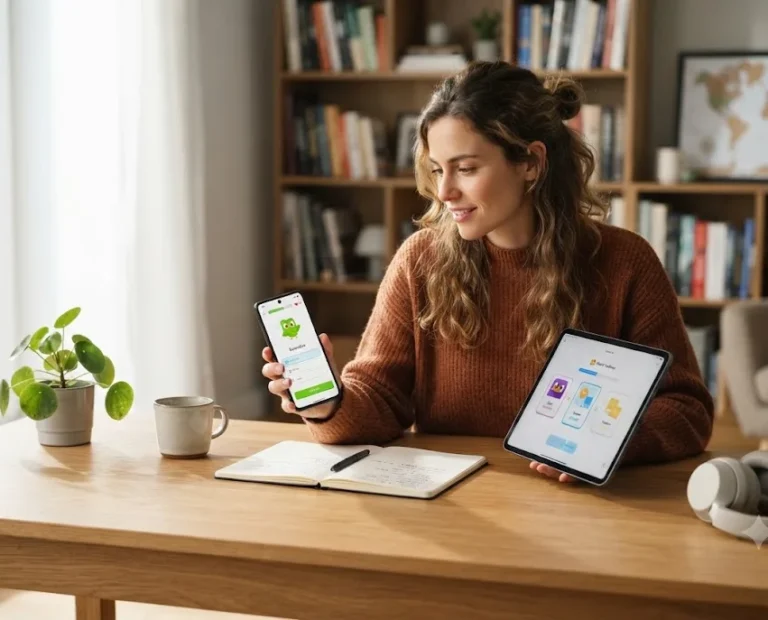
If you’re searching for the best Spanish language software, you’re already taking an important step toward mastering one of the world’s most widely spoken languages. Today’s digital platforms offer interactive lessons, pronunciation coaching, AI-powered practice, and personalized study plans that make learning Spanish more convenient than ever.
Whether you’re preparing for travel, expanding your career opportunities, communicating with family, or simply learning for personal growth, choosing the right Spanish language software can make your learning journey more enjoyable and effective.
Why Use the Best Spanish Language Software?
Traditional classroom courses can be highly effective, but they often require fixed schedules and significant costs. Modern language software offers flexibility, allowing learners to study whenever and wherever they want.
Quality learning programs typically include:
- Interactive grammar lessons
- Native-speaker pronunciation
- Vocabulary review using spaced repetition
- Listening exercises
- Speaking practice with speech recognition
- Progress tracking
- Desktop and mobile compatibility
These features help learners build confidence while maintaining consistent study habits.
Best Spanish Language Software in 2026
1. Babbel
Babbel is widely recognized for its practical conversation-based lessons. Its curriculum focuses on real-life situations rather than isolated vocabulary lists, making it an excellent choice for adults.
Best for: Structured learning with practical conversations.
2. Rosetta Stone
Rosetta Stone teaches through immersion, encouraging learners to understand Spanish naturally instead of translating every sentence.
Its TruAccent® speech recognition technology also helps improve pronunciation.
Best for: Learners seeking an immersive experience.
3. Busuu
Busuu combines guided lessons with feedback from native speakers, allowing learners to practice writing and speaking in realistic situations.
Best for: Community-supported learning.
4. Duolingo
Duolingo remains one of the most popular computer programs to learn Spanish thanks to its free access, daily challenges, and gamified approach.
While it’s ideal for maintaining consistency, many learners pair it with more comprehensive resources.
5. Fluenz
Fluenz emphasizes grammar explanations alongside immersive exercises, making it particularly appealing to learners who appreciate detailed instruction.
How to Choose the Right Spanish Language Software
Not every learner has the same goals. The best software depends on your preferred learning style and available study time.
Choose Structured Courses If You Want:
- Step-by-step lessons
- Clear grammar instruction
- Organized progression
- Regular assessments
Babbel and Fluenz are excellent options for structured learners.
Choose Immersion-Based Learning If You Prefer:
- Natural vocabulary acquisition
- Listening-focused lessons
- Context-based learning
- Pronunciation improvement
Rosetta Stone performs especially well in these areas.
Choose Gamified Learning If Motivation Matters
Daily streaks, achievements, and rewards encourage consistent study habits. Duolingo excels at keeping learners engaged through short, interactive lessons.
Essential Features to Look For
Speech Recognition
Speaking Spanish confidently requires regular pronunciation practice. Modern software uses AI-powered speech recognition to provide instant feedback.
Grammar Lessons
Understanding verb conjugations, sentence structure, and tenses becomes much easier when lessons explain concepts gradually.
Vocabulary Review
Programs using spaced repetition systems help learners remember new words over the long term.
Offline Learning
If you travel frequently, downloadable lessons ensure your studies continue without internet access.
Computer Programs to Learn Spanish vs Mobile Apps
Many learners wonder whether desktop software or mobile apps are more effective.
Desktop programs often provide larger lesson libraries, detailed grammar explanations, and more comfortable study sessions. Mobile apps, meanwhile, make it easier to practice throughout the day.
Using both devices together usually delivers the best results.
Can AI Improve Spanish Learning?
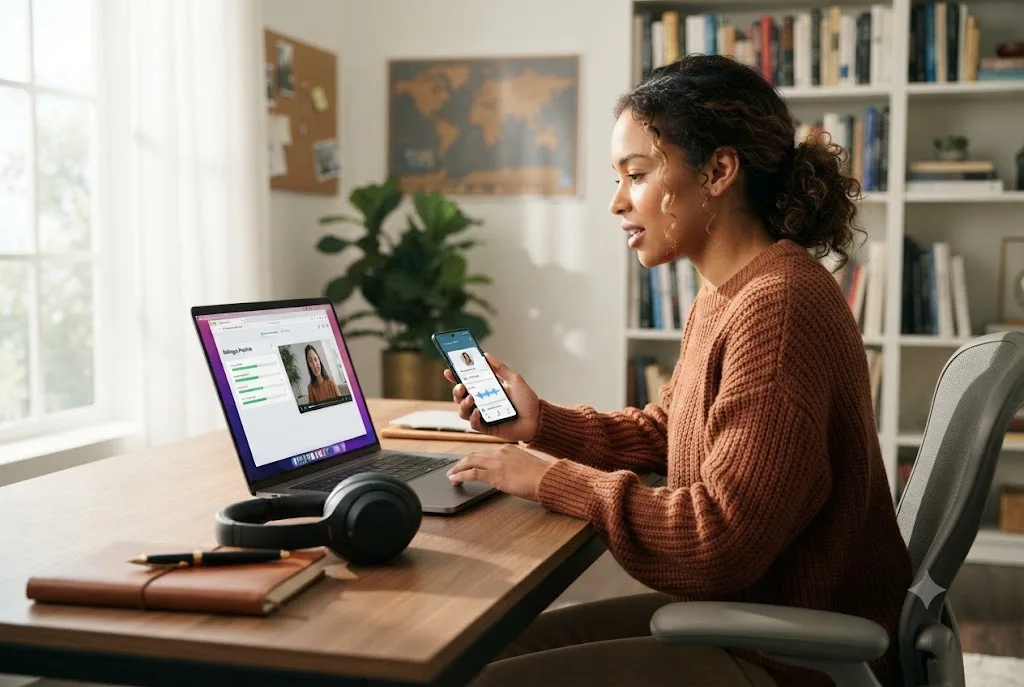
Artificial intelligence is rapidly transforming language education. AI-powered tutors can simulate conversations, explain grammar instantly, and personalize lessons based on your progress.
If you’re curious about conversational AI, be sure to read our guide on AI language tutors, where we explore how artificial intelligence supports language learners.
Learning Multiple Languages?
If you plan to expand beyond Spanish, many learning platforms offer courses in several languages using the same interface and methodology.
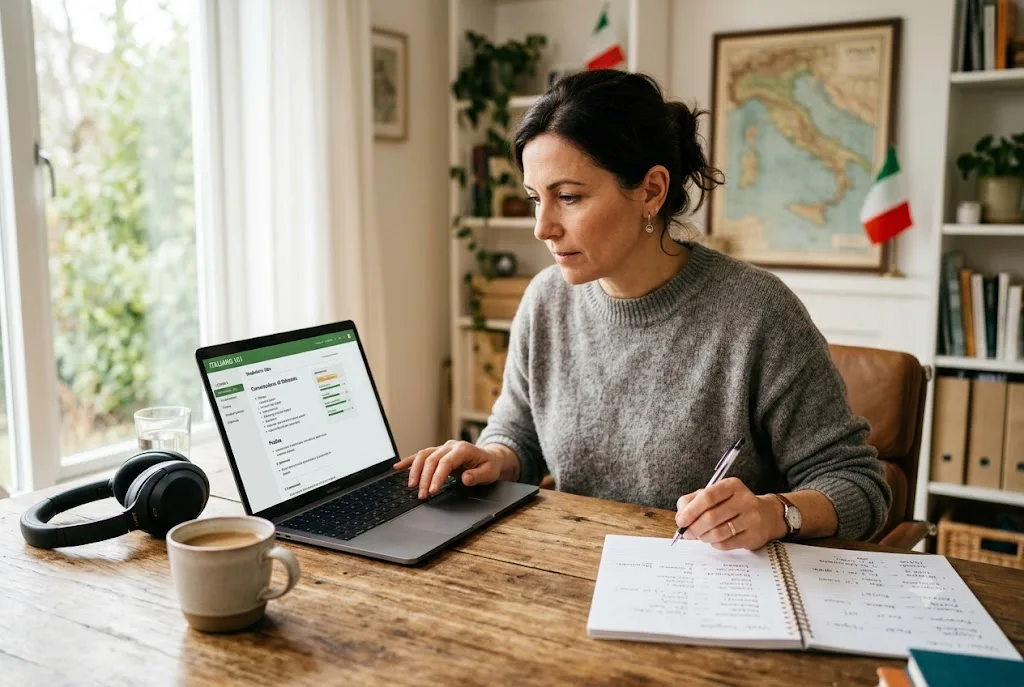
For example, you may also enjoy our guides to the best software to learn Italian and French language learning software to compare options across different languages.
Tips for Learning Spanish Faster
- Study for at least 20 minutes daily.
- Practice speaking aloud instead of reading silently.
- Listen to Spanish podcasts and music.
- Review vocabulary consistently.
- Watch Spanish TV shows with subtitles.
- Use software alongside real-world conversation practice.
Who Benefits Most from Spanish Language Software?
Spanish learning software is ideal for:
- Students preparing for exams
- Professionals working with Spanish-speaking clients
- Travelers visiting Spanish-speaking countries
- Heritage learners reconnecting with family language
- Anyone interested in bilingual communication
The flexibility of digital learning allows each user to progress at a comfortable pace.
Final Thoughts
The best Spanish language software depends on your goals, learning preferences, and commitment. Babbel offers one of the strongest all-around experiences, Rosetta Stone provides immersive instruction, Busuu adds valuable community interaction, Fluenz excels in structured explanations, and Duolingo remains a popular free option for daily practice.
Whichever Spanish language software you choose, regular study and consistent speaking practice will have the greatest impact on your progress. Combining software with authentic Spanish media and conversations creates a balanced approach that builds confidence over time.
For additional language-learning research and educational resources, visit the American Council on the Teaching of Foreign Languages (ACTFL), which provides valuable guidance on effective language education.